


01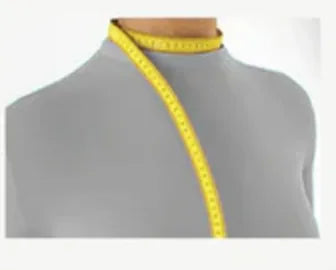
Neck
Neck circumference, measured at the base of the neck where a high collar rests.
Flexible ribbon, not tight
Sorry, looks like we don't have enough of this product.

Size Guide · Catalog & Custom-Made
Find your size in just a few seconds, or follow the guidelines for a custom-made garment.
For non-custom leotards, find the row that matches your measurements. Sizes S, M, L… correspond to specific waist, hip, and torso measurements — if you are between two sizes, choose the larger one or contact us.
| Model | Height cm | Age ans | Size FR | Torso cm | Waist circumference cm | Hip cm | Chest circumference cm |
|---|---|---|---|---|---|---|---|
| Child — by height | |||||||
| 110 | 100–110 | 3–5 | — | 56–64 | 46–54 | 60–68 | 92–100 |
| 120 | 110–120 | 4–6 | — | 58–66 | 50–58 | 64–72 | 100–108 |
| 130 | 120–130 | 5–8 | — | 60–68 | 54–62 | 68–76 | 108–116 |
| 140 | 130–140 | 7–10 | — | 64–72 | 56–60 | 72–80 | 116–124 |
| 150 | 140–150 | 11–13 | — | 68–76 | 58–62 | 76–84 | 124–132 |
| Adults — by size | |||||||
| XS | 145–155 | 12–15 | 32 | 74–82 | 60–64 | 80–88 | 132–138 |
| S | 150–160 | — | 34 | 78–86 | 62–68 | 84–92 | 138–146 |
| M | 155–165 | — | 36–38 | 82–90 | 64–72 | 88–96 | 146–154 |
| L | 160–170 | — | 40–42 | 86–94 | 68–76 | 92–100 | 154–162 |
| XL | 165–175 | — | 44–46 | 90–98 | 72–80 | 96–104 | 162–170 |
For a custom garment, you don’t choose a size: you capture your body. Eleven measurements, taken with a flexible tape measure, are enough to cut a unique pattern. Follow the order shown in the diagrams below—a friend or your coach can make the process more accurate.
Neck circumference, measured at the base of the neck where a high collar rests.
Flexible ribbon, not tight
Bust measurement at the fullest point, with the tape held horizontally and flat across the back.
Do not puff out your chest
Waist measurement at the natural indentation, slightly above the navel.
the narrowest point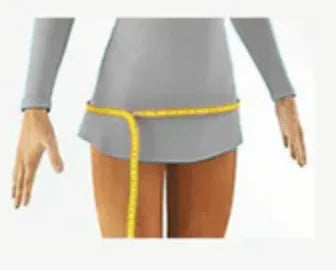
Hip circumference at the widest part of the hips, with feet together.
Ribbon perfectly horizontal
Vertical back length, from the base of the neck to the waistline.
Straight back, back measurement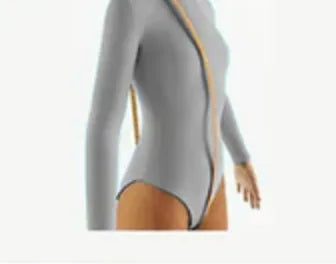
From the middle of the shoulder, the strap descends, passes through the crotch, and rises back up to the shoulder.
the key measurement for ease of movement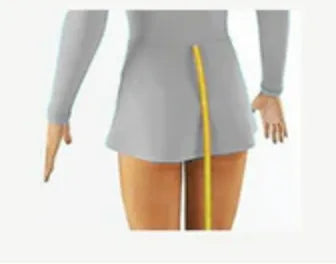
From the waist down to the desired skirt length.
according to your preference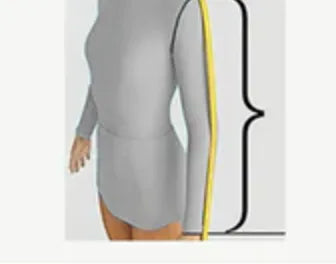
From the shoulder to the wrist, with the arms slightly bent for ease of movement.
Relaxed arm, not tense
From the base of the neck to the tip of the shoulder.
along the seam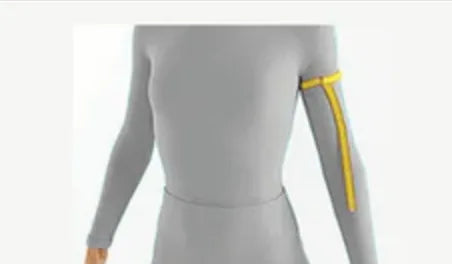
Arm circumference at the fullest part of the biceps, with the arm relaxed.
without contracting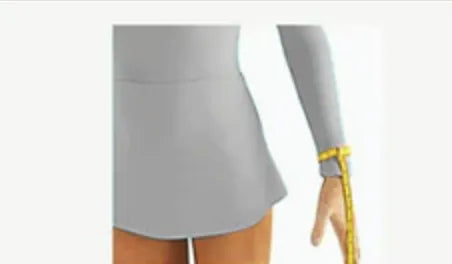
Wrist circumference at the base of the hand, to adjust the sleeve cuff.
Ribbon, just placedA flexible tailor’s measuring tape, never a rigid ruler.
Measure over a thin garment or underwear, never over a sweater.
A relative or your coach to hold the ribbon straight and read the numbers.
Arms at your sides, breathe normally, natural posture.
Contact Us
Send us your eleven measurements by email, or describe your uncertainty between two sizes—the workshop will guide you toward the right choice before you place an order.
Start my project →Response within 48 hours · No obligation
Rely first on her actual height, not her age. If she falls between two children’s sizes, choose the larger one: the technical fabric will retain its support even with a little extra room, and the garment will last an additional season.
If your measurements clearly fall within a row of the chart, the catalog size will fit perfectly. As soon as one measurement falls outside the chart—bust, back length, or an unusual torso circumference—custom sizing guarantees a perfect fit.
Torso circumference (reference point 06): it determines the leotard’s vertical ease. A piece that is too short along this axis pulls at the shoulders and crotch from the very first movements.
Not at all. The diagrams above guide you through each measurement step by step. A family member or your coach can help you hold the tape measure. If you have any doubts after the exercise, write to us—we’ll check your measurements with you before starting production.